
The best PDF website · A little care for you, too.
Alone With a Newborn and a Sick Mother to Care For, With No Partner and No Idea Who She Was Anymore, She Almost Gave Up. Until She Found the One Thing No One Else Offered Her: Help for Herself.
October 8, 2026 · First published May 2026
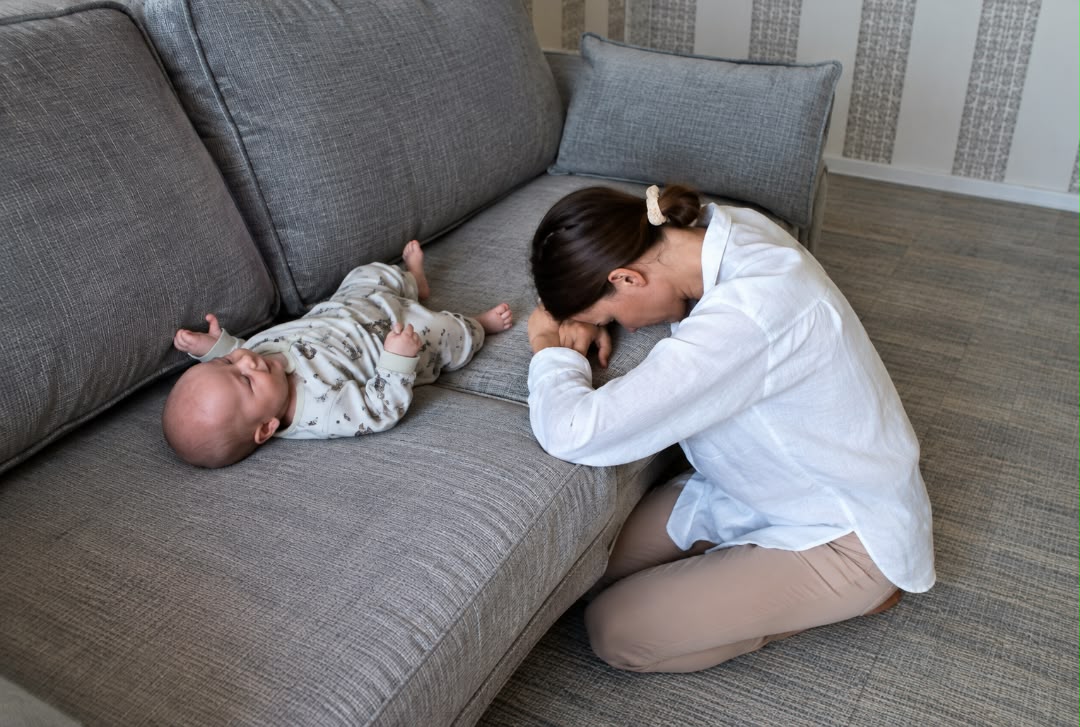
The baby has been fed. Again.
You check the nappy, settle the crying, and look at the clock. Somehow, hours have passed without you eating a proper meal.
Your body hurts in places you weren’t prepared for. Sitting down takes thought. Getting back up takes more.
Your phone is full of baby advice. Feeding schedules. Sleep windows. Things to buy. Almost nothing asks how you are doing.
At night, the house goes quiet, but your thoughts don’t. Is this normal? Am I doing enough? Why does everything feel so hard?
Perhaps you’re still pregnant, reading ahead because you want a plan for the part that comes after the birth.
Perhaps your baby is already here, and the plan has become getting through the next hour.
People tell you to rest. You look around at everything that still needs doing and wonder when, exactly, that is supposed to happen.
You love your baby. You can love your baby and still feel frightened, exhausted, lonely, or unfamiliar to yourself.
You don’t need another reason to feel guilty. You need care that makes room for the life you actually have.
I needed that, too. Here’s what changed things for me.
I was doing the caring.
But I wasn’t being cared for.
I was 31, living in North York, Toronto, and working as a receptionist. My salary didn’t stretch to the end of the month. I was already trying to hold on to the little stability I had.
My mother had Alzheimer’s disease. Caring for her was part of my everyday life, not something I could put aside when another responsibility arrived. She needed me, and I wanted to be there for her.
Then I became pregnant after a one-night stand. I didn’t have a partner beside me to share what came next. I was facing a new kind of responsibility while trying not to lose the life I was already working so hard to keep together.
I was a beginner. That sounds simple, but it mattered. I didn’t have a store of experience to draw on. I couldn’t tell which worries needed attention, which changes were expected, or what recovery was supposed to look like in an ordinary day.
Once my baby arrived, the work didn’t neatly separate into newborn care, my mother’s care, and my recovery. It all happened together. My own needs were the easiest ones to postpone because I was the person doing the postponing.
I’ll eat after this. I’ll rest when things settle. I’ll think about myself tomorrow.
The trouble was that tomorrow brought its own feeding, its own tiredness, and its own responsibilities. There wasn’t a clear moment when someone else took over and told me that now it was my turn.
I was trying to learn how to be a mother while still being a daughter and a caregiver. I was also trying to work out who I was in a body and a daily routine that no longer felt familiar.
The cost wasn’t only exhaustion. It was how little room I had left to think. A question about pain could become a question about whether I was coping. A difficult night could make the following day feel impossible before it had even started.
I loved my baby. That never meant I found every part of those early weeks easy. But I didn’t know how to say both things without feeling as though I had admitted something terrible about myself.
I looked for help. A lot of it didn’t fit my life.
I tried postpartum forums and Facebook groups. I hoped to find reassurance from people who understood. Instead, I often came away feeling more judged, more uncertain, or overloaded by advice that pointed in different directions.
I looked through parenting books, too. Some seemed to assume there was a partner at home, another pair of hands nearby, or enough time to follow a carefully arranged routine. I couldn’t make those assumptions fit my circumstances.
Advice can be sensible and still be impossible to use. A suggestion that depends on someone taking the baby for a long stretch isn’t much help when that someone isn’t there.
I considered therapy and postpartum doula support. The difficulty was affordability and finding something that could work around my mother’s care. Those services weren’t the problem. Accessing them in my situation was.
Then there were the familiar suggestions: push through, or sleep when the baby sleeps. I understood the intention. But a sleeping baby didn’t automatically mean I could sleep, and pushing through was what I was already doing.
So much of what I found was about the baby. Very little helped me understand what was happening to me. I could keep gathering information and still feel as though my own recovery was an afterthought.
For a while, I tried to white-knuckle my way through. I assumed the exhaustion and anxiety would pass if I could just keep going. What I needed wasn’t more determination. It was a clearer way to care for myself.
I didn’t need a perfect routine.
I needed a starting point I could actually use.
The search that finally included me
The turning point came during a late-night search on my phone. I found a guide that didn’t seem to expect me to arrive with knowledge, experience, or a full support system already in place.
That mattered enough for me to buy it. I needed something I could read quietly, where I was, without finding childcare or arranging another appointment before I could begin.
Within the first 20 minutes of reading, before I had finished the introduction, I felt understood. Not healed. Not suddenly rested. Understood. That was a different and important kind of relief.
I began to see that I had been measuring myself against advice written for circumstances I didn’t have. The fact that I couldn’t follow it didn’t mean I was failing. It meant I needed a different starting point.
I used my first calming technique that same night. It didn’t erase my responsibilities, but it gave me a way to respond to racing thoughts rather than only being carried along by them.
From there, I started learning about physical recovery in plain language. I needed information about pain, wounds, and caring for a healing body. I also needed to understand when a question belonged with a healthcare professional rather than another internet search.
I appreciated guidance that included both vaginal birth and C-section recovery. There wasn’t just one version of a postpartum body, and I didn’t want a plan that left mothers out because their birth had been different.
Food became part of the picture, too. Not a complicated programme or another standard to meet. I needed manageable ways to nourish myself, support my energy, and understand nutrition during recovery, including breastfeeding if I chose it.
I couldn’t create uninterrupted sleep simply by wanting it. What I could do was learn to think differently about broken sleep, practical rest, and the demands I was putting on myself between feeds.
The emotional guidance was just as important. Hormonal changes, recovery, and caring for a newborn can be a lot to carry together. I needed to take my feelings seriously instead of treating them as something I should quietly overcome.
Understand. Act. Sustain.
Over time, the approach that helped me made sense in three phases. Understand came first: name what was happening, recognise the invisible load, and stop turning every struggle into evidence against myself.
Act meant using small, doable steps. Learn a little about my body. Try a calming technique. Make nourishment less of an afterthought. Work with the day I actually had, not an imaginary day with unlimited help.
Sustain meant returning to those small habits. Recovery wasn’t a task I could finish once and forget. I needed a way to keep including myself after the first difficult weeks, without turning care into another exhausting project.
Within the first week, I noticed a shift in my energy, patience, and mood. That was my experience, not a deadline for anyone else’s recovery. My life was still demanding. I was simply starting to meet it with a little more steadiness.
My mother noticed in one of her clearer moments. During a hard week, she could see that I seemed calmer. She was surprised that reading a guide at night had helped me make that change.
I wasn’t becoming a different person overnight. I was beginning to feel that I existed inside my own life again, not only as the person everyone needed something from.
That is what I wanted to pass on. Not a promise of perfect sleep or a pain-free recovery. A practical place to begin for the mother who is struggling and doesn’t know what to do for herself next.
I brought the lessons of recovery, research, and honest trial and error together in a guide. I wanted it to be clear enough for a total beginner and gentle enough for someone reading with a baby on one hip and another person depending on her.
The Baby Is Fed.
But Who’s Taking Care of You?
If you’re surviving instead of living, this is your first step back to you, without guilt.
I packaged this into a PDF because care shouldn’t depend on finding a quiet afternoon. You can keep it on your phone or tablet and return to the part you need while feeding, resting, or preparing for life after birth.
It’s for the mother doing this largely alone, and for the mother who has people around her but still feels unseen. A partner, friend, or family member can read it, too, to better understand the care she needs.
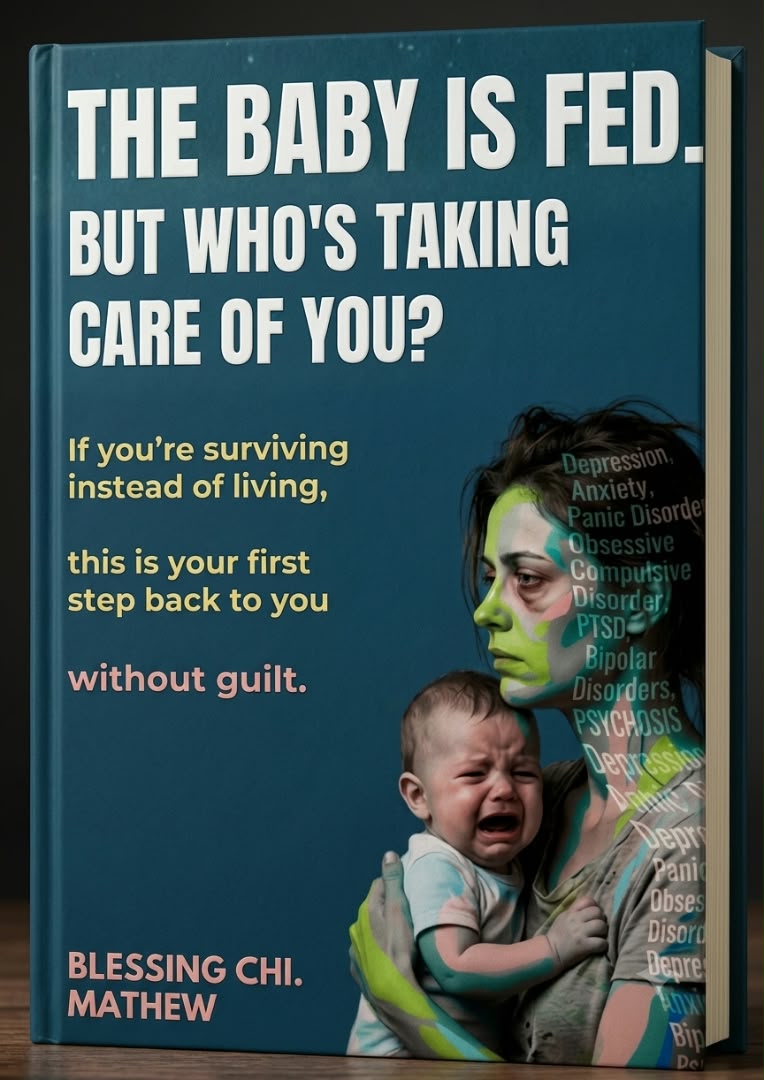
Inside this guide, you’ll find:
- The Mental Load Nobody Can SeeName the invisible weight you’re carrying so you can begin to set some of it down.Pg. 25
- The Body You Don’t RecognizeGentle, honest guidance for a healing body, whether you had a vaginal birth or C-section.Pg. 38
- When Sleep Stops Feeling Like RestPractical strategies for functioning and making space for recovery on broken sleep.Pg. 55
- The Anxiety Nobody Talks AboutWays to respond to racing thoughts, feel steadier, and recognise when to seek more support.Pg. 66
- Small Habits That Slowly Bring You BackTiny daily habits that support your energy and help you reconnect with yourself.Pg. 120
- You Were Never A Bad MotherA gentler perspective on the guilt so many new mothers carry silently.Pg. 136
What Early Readers Are Saying
This book made our lives so much easier.
I spent months missing my old freedom and feeling immense guilt about it.
I feel much more prepared for my second baby.
Care for the mother matters, too.
You’re getting the complete recovery PDF: plain-language guidance, emotional support, and small steps you can return to rather than another pile of advice to sort through.
48-hour launch offer · both bonus guides included free
Get My Postpartum Recovery Guide →PDF format · Read on your phone or tablet · Prices in USD
Two extra ways to make care feel doable.
During the 48-hour launch offer, these two bonuses come with your guide at no extra cost. They’re companions to your recovery, not extra homework you have to finish.
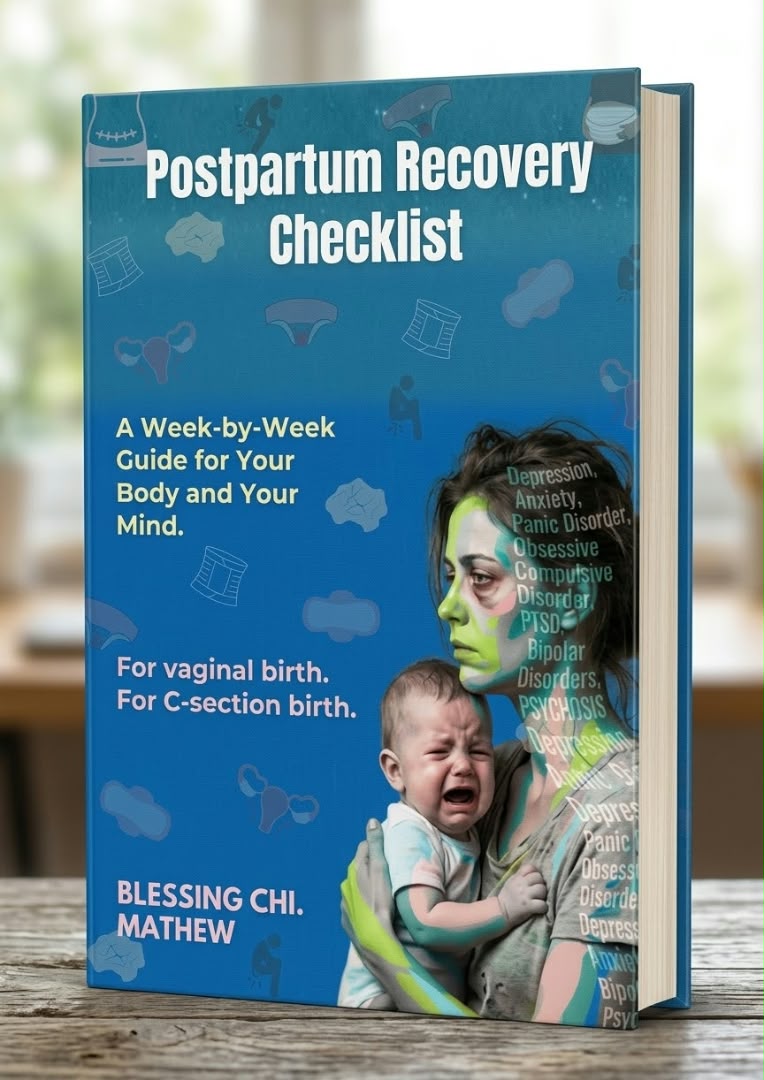
Postpartum Recovery Checklist
A simple week-by-week checklist covering both C-section and vaginal recovery. Keep the next stage of care in view, or share it with someone helping you.
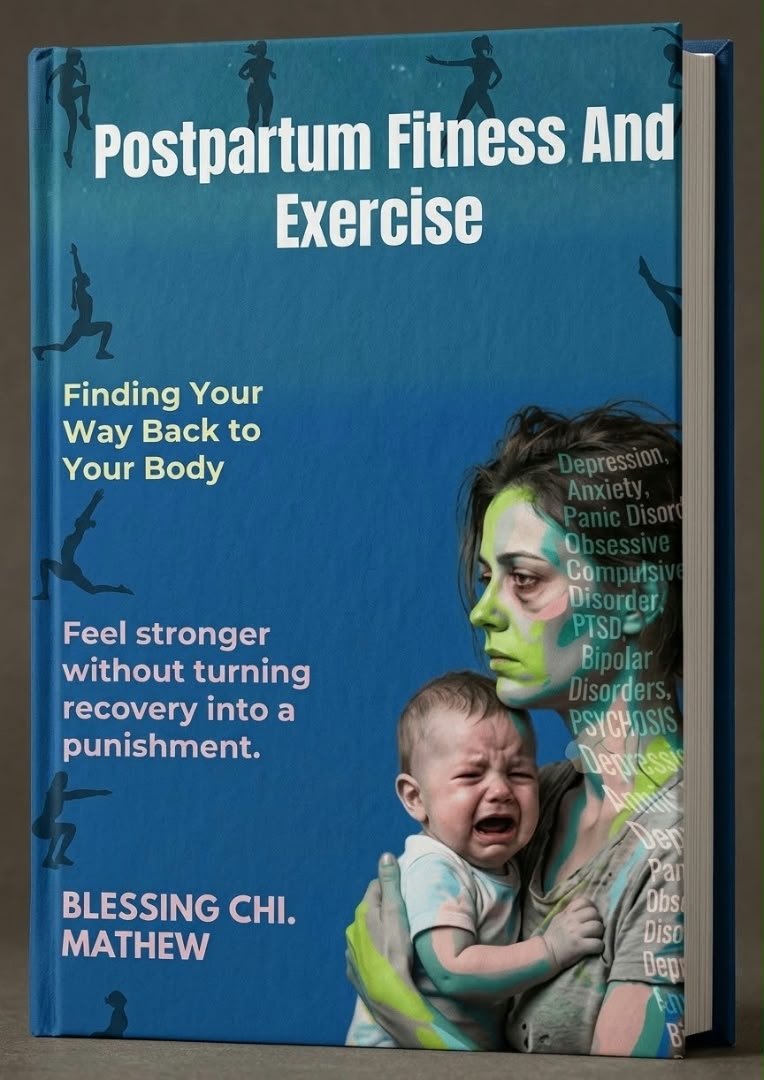
Postpartum Fitness and Exercise
Movement, strength, and finding your way back to your body, without treating recovery as punishment. Follow your clinician’s advice on when and how to return to exercise.
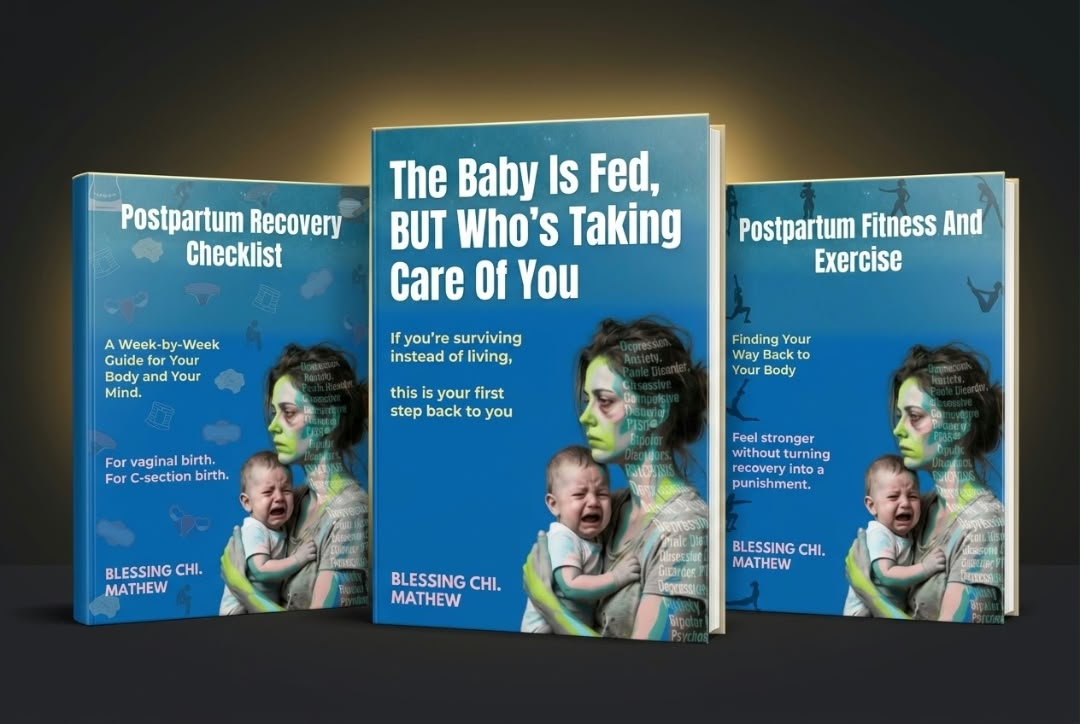
Bonuses included only during the 48-hour launch offer.
Real support. Not another dead end.
If you finish the guide and still feel unsure or stuck, email us anytime. We’ll personally point you to the exact chapter for what you’re going through.
You don’t have to know the right term or make your question sound polished. Tell us where you feel stuck, and we’ll help you find the relevant part of the guide.
That’s our support promise: real guidance until you feel supported. It’s chapter-finding help, not a refund guarantee or a replacement for individual medical or mental health care.
The baby needs you.
You need care, too.
I can’t promise that a guide will make the next night easy or give you the extra pair of hands you deserve.
What I can offer is a clearer starting point: something to help you understand your recovery, notice your own needs, and take a manageable next step.
You can start before the birth, or start in the middle of a difficult week. You can read a little at a time. You don’t have to turn looking after yourself into one more thing to get perfectly right.
You’re allowed to be someone who needs care, not only someone who gives it.
If this is the kind of support you’ve been looking for, the guide is here for you.
Yes, I Want to Care for Myself, Too →The Baby Is Fed. But Who’s Taking Care of You? · PDF guide